NATURE-BASED SOLUTIONS +
Biochar
Registry - Isometric
Methodology - Biochar Carbon Code
Registry Code - tbc
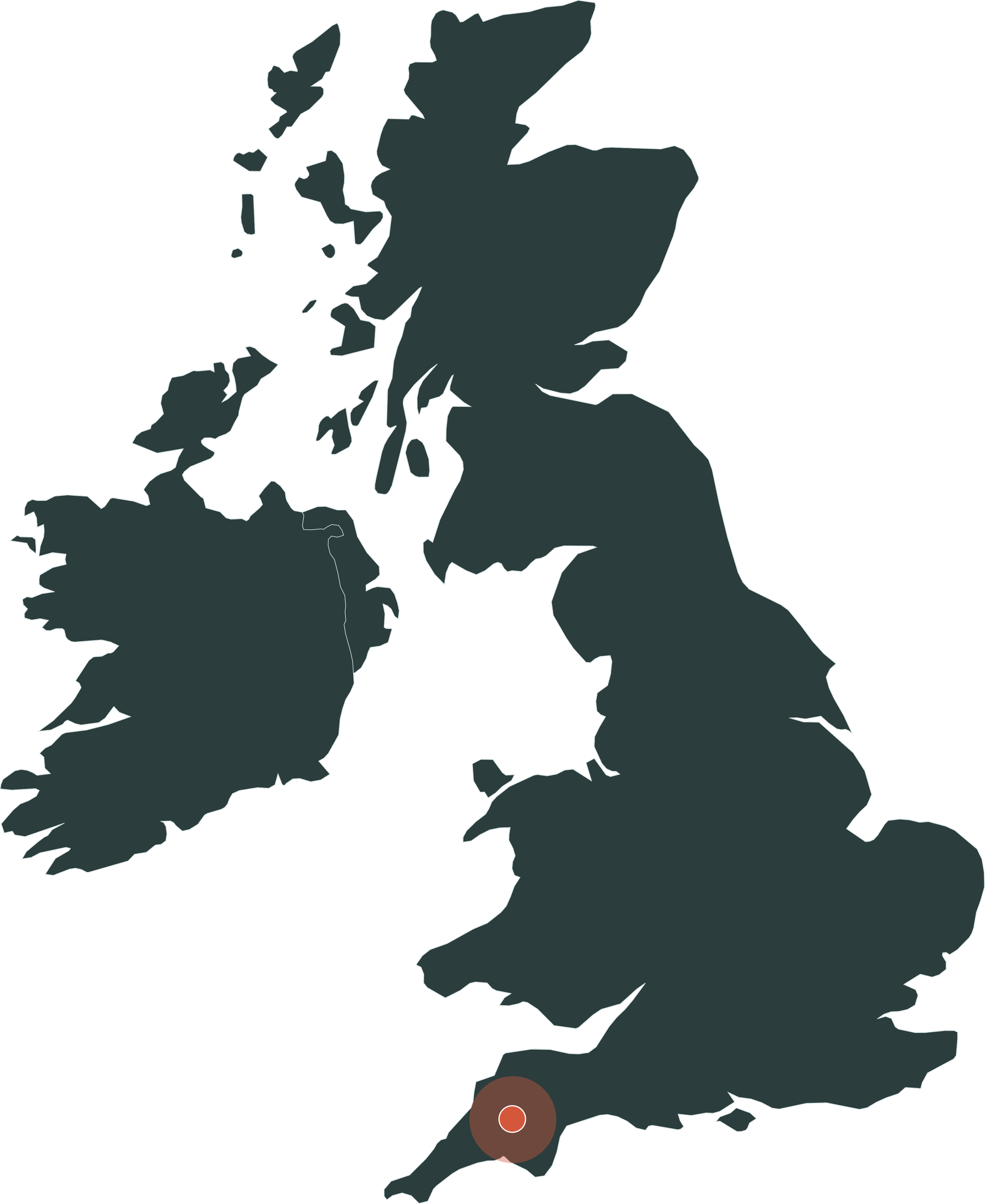
Restord turns local waste into something that restores the land and removes carbon from the atmosphere in a way that stays local, traceable,and grounded in science.
Biochar is charcoal made for soil, not for burning. It's produced by heating organic material like wood, agricultural waste, or forestry residues in a low-oxygen environment. This process is called pyrolysis, and it typically happens at temperatures between 350°C and 700°C.
The result is a stable, carbon-rich material. The carbon in biochar is arranged in structures that resist breakdown by microbes, which is why it can persist in soil for centuries to millennia.
What makes biochar useful is its structure. It's full of tiny pores that hold water and nutrients, and provide habitat for beneficial soil organisms. A single gram of biochar can have a surface area larger than a tennis court.
When biochar is spread on soil, in place of chemical inputs, it holds water, improves yields and retains nutrients.
IMPACT - UN SDGs (Sustainable Development Goals)