

Project Spotlight: Bottomland Forests of the Lower Mississippi Valley
Quick summary
Carbon standard: ACR
Project developer: Nativstate
Pathway: Nature-based solutions
Location: USA
Project Overview
In the bottomland hardwood forests of the Lower Mississippi Valley, a quieter kind of forestry is taking root. The largest and most biodiverse project in NativState's portfolio, The Bottomland Forests of the Lower Mississippi Valley draws 46 sites across five states into a single Improved Forest Management programme.
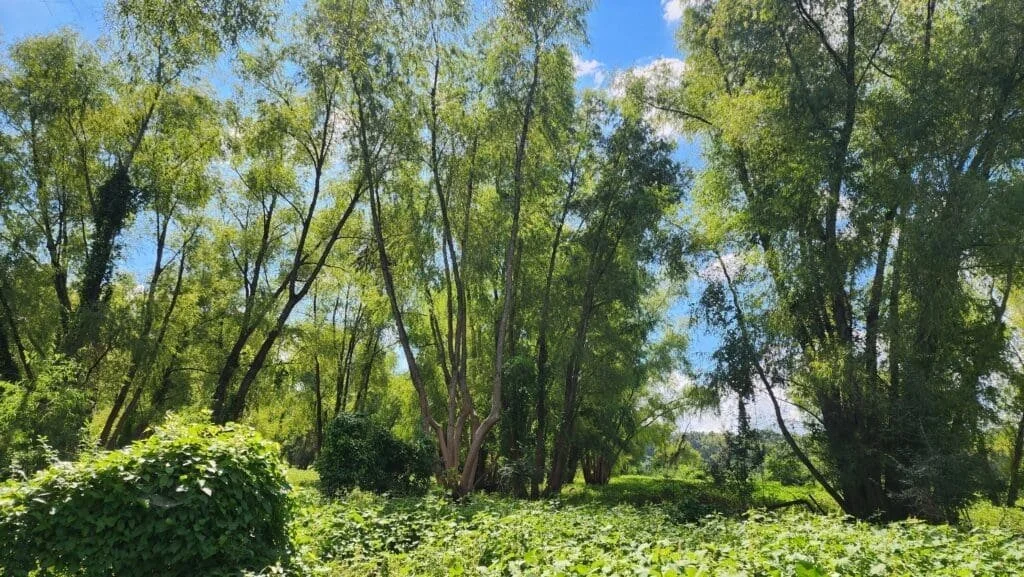
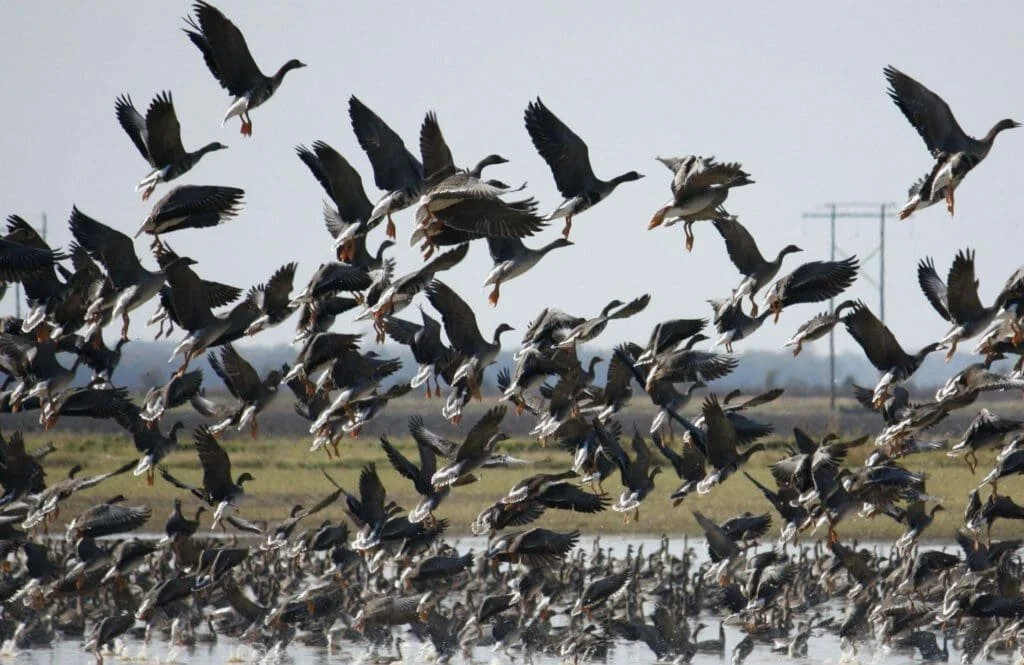
High Conservation Value areas hold rare old growth, including 446 acres of permanent no-harvest forest with overcup oaks and sycamores generations in the making. Nearby wetlands shelter North America's most important mallard wintering grounds, and the rivers below carry some of the continent's most imperilled freshwater mussels. The broader landscape, housing silver maple, oak, and cypress, provides habitat for bald eagles, migratory waterfowl and alligators,.
Each site is enrolled in a sustainable forestry certification programme. Improved Forest Management at these sites involves extended harvest cycles, selective harvesting from the sixth year, reduced disturbance, and protection of high-conservation areas. These practices maintain continuous forest cover, strengthen ecosystem health, and build forest resilience whilst increasing long-term carbon storage.
The project is underpinned by a strong ACR framework, with well-supported additionality, robust MRV and meaningful ecological benefits, including USFWS-screened habitat for 20 species and protected streamside buffers.
-
Streamside zones are left untouched and every stream, bayou and swamp is buffered by standing forest that filters and steadies the flow, acting as a living flood barrier for the communities downstream.
-
Intensive cutting gives way to gentle, uneven-aged management, well below the forest's natural growth, letting stands grow older and stronger. Every site is certified sustainable, and carbon quietly builds year on year.
-
Life is gradually returning to these woods. Fallen timber shelters bats, vernal pools are home to rare salamanders, and 446 acres of permanent no-harvest forest are permanently protected. Additionally, the Ouachita Rock Pocketbook (federally Endangered) and the Louisiana Pigtoe have both been identified in the same reach of the Little River.

Location